





Hormonal Changes
Puberty, menstruation, pregnancy, menopause and even stress can trigger acne due to the fluctuation in hormones.

Genetics
Acne and genetics are linked together, playing a role whether or not one is prone to acne

Diet
Foods high in sugar, processed carbohydrates and even fast food are just some foods that have been reported to trigger acne.

Medications
Apart from skincare, some prescribed medications can trigger acne as an adverse effect. Samples of these include corticosteroids.

Stress
Stress can make any type of skin wound including acne heal much slower than usual.

Lifestyle Habits
If you have a drastic lifestyle change such as getting a few hours of sleep, smoking regularly, consuming alcohol and even changing diet patterns, this also causes hormonal imbalance. This change can also trigger acne.

Using The Wrong Skincare Products
Not all active ingredients may work for your skin. This can cause breakouts.

Environmental Factors
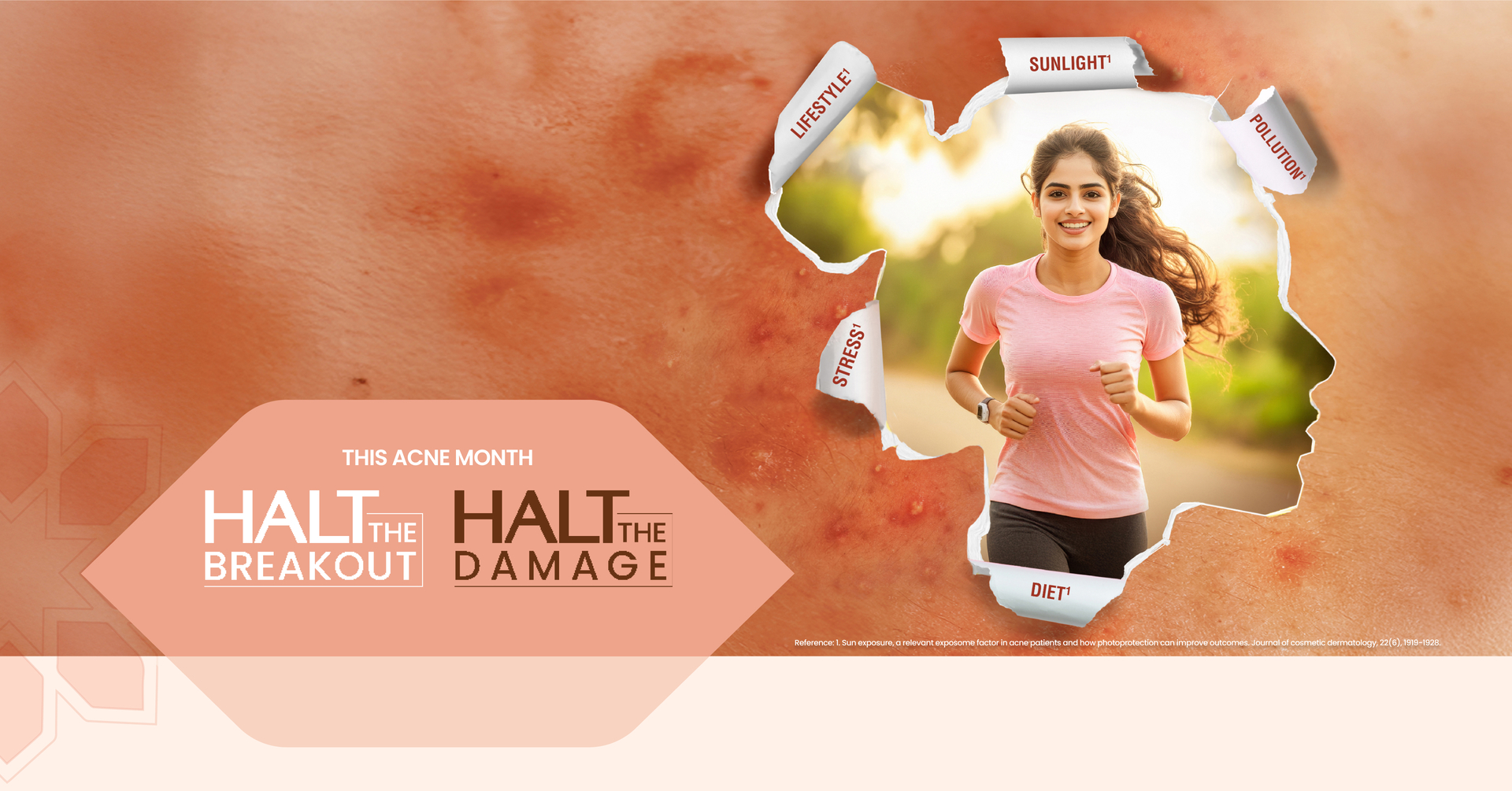
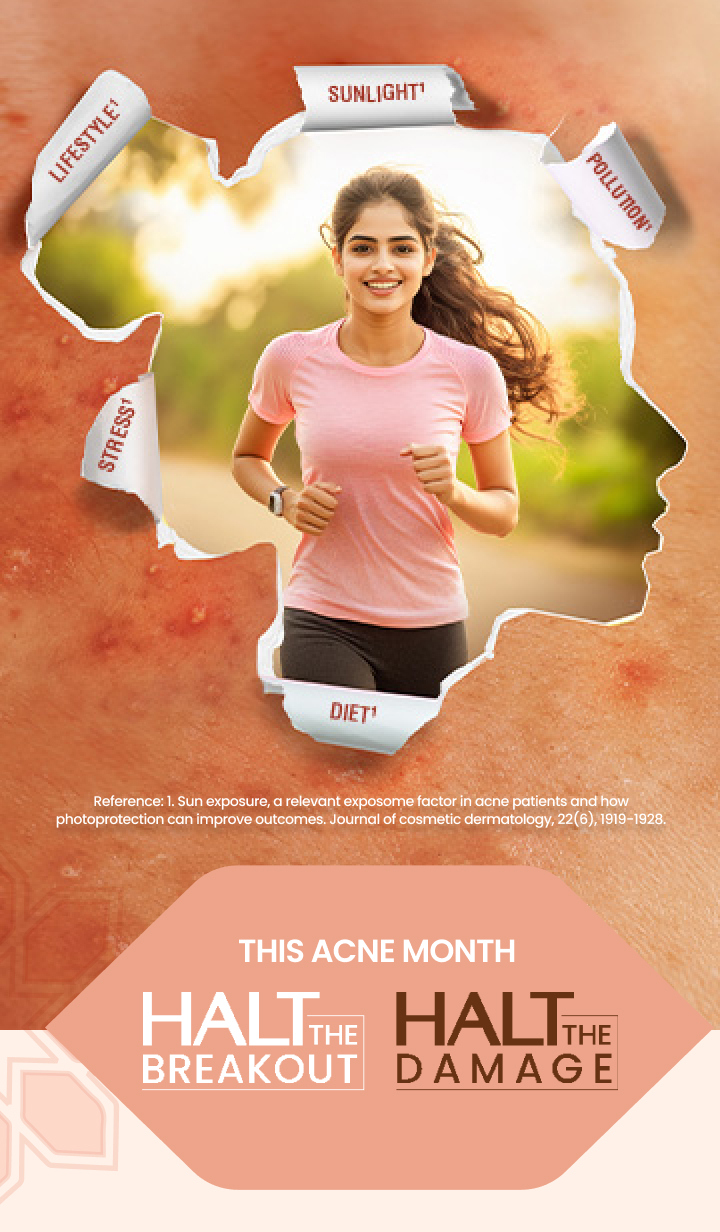
Prolonged sun exposure and even pollution can cause clogged pores, developing to blackheads, whiteheads and pimples.

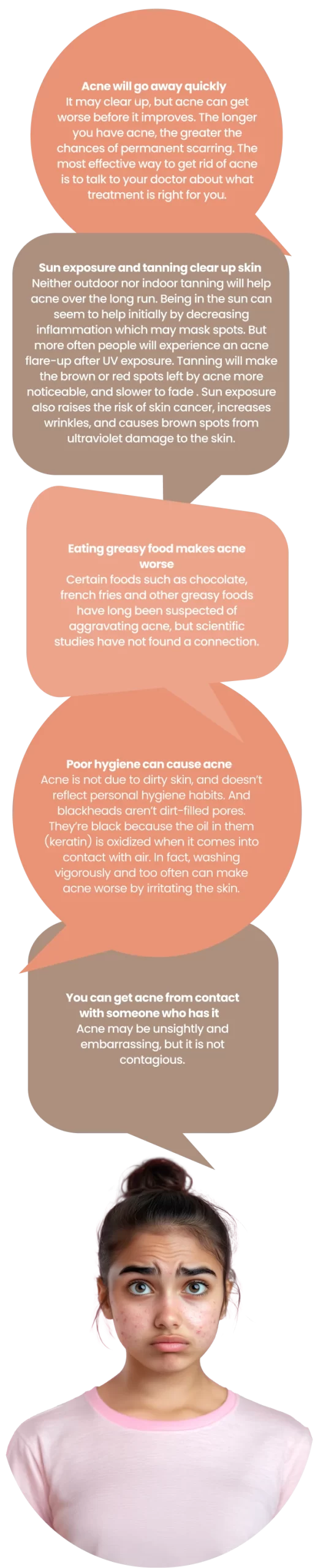

Environmental factors such as solar radiation, air pollution can trigger or worsen acne.

Solar radiation can temporarily improve lesions. However, it can induce proinflammatory and profibrotic responses, and produce post-inflammatory hyperpigmentation and/or post-inflammatory erythema.

UV light can induce post-inflammatory hyperpigmentation/erythema, and can initiate flares.


Keep your skin clean
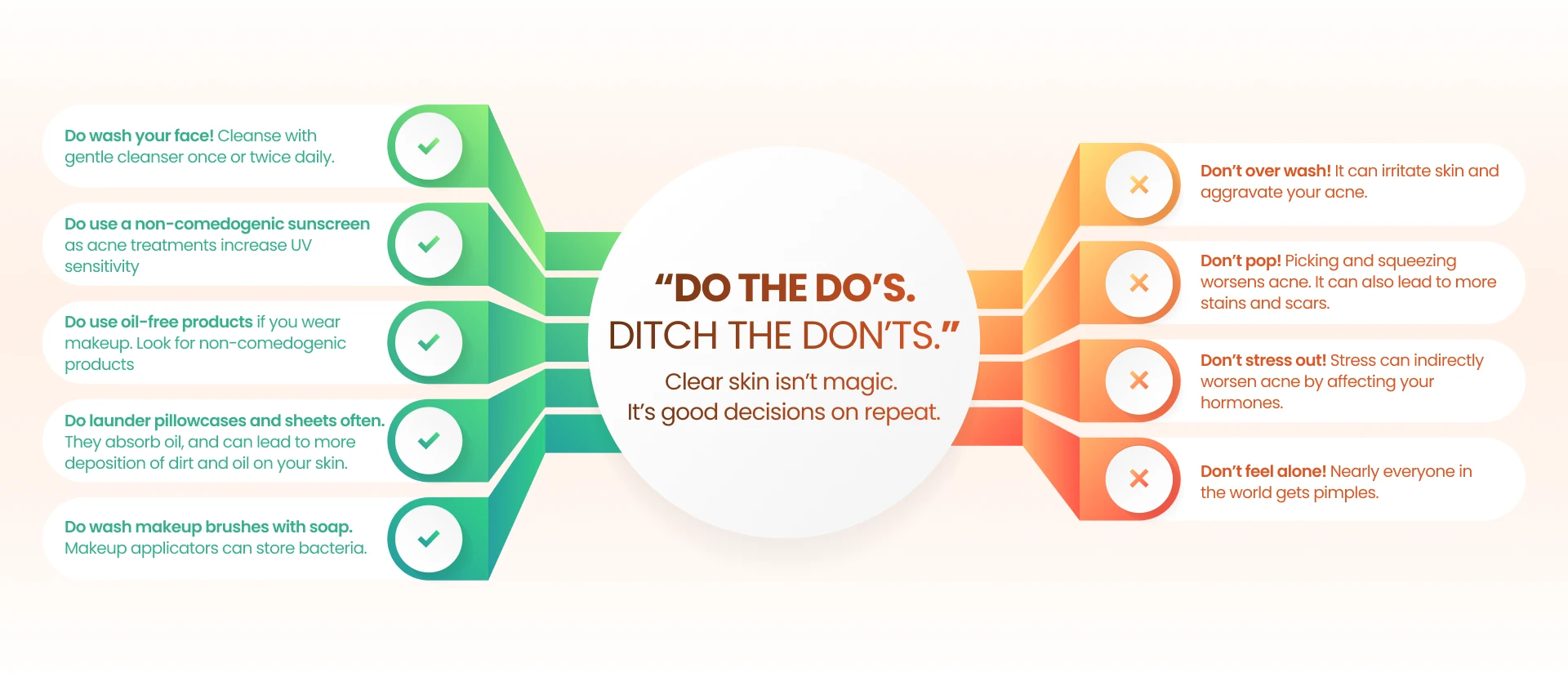
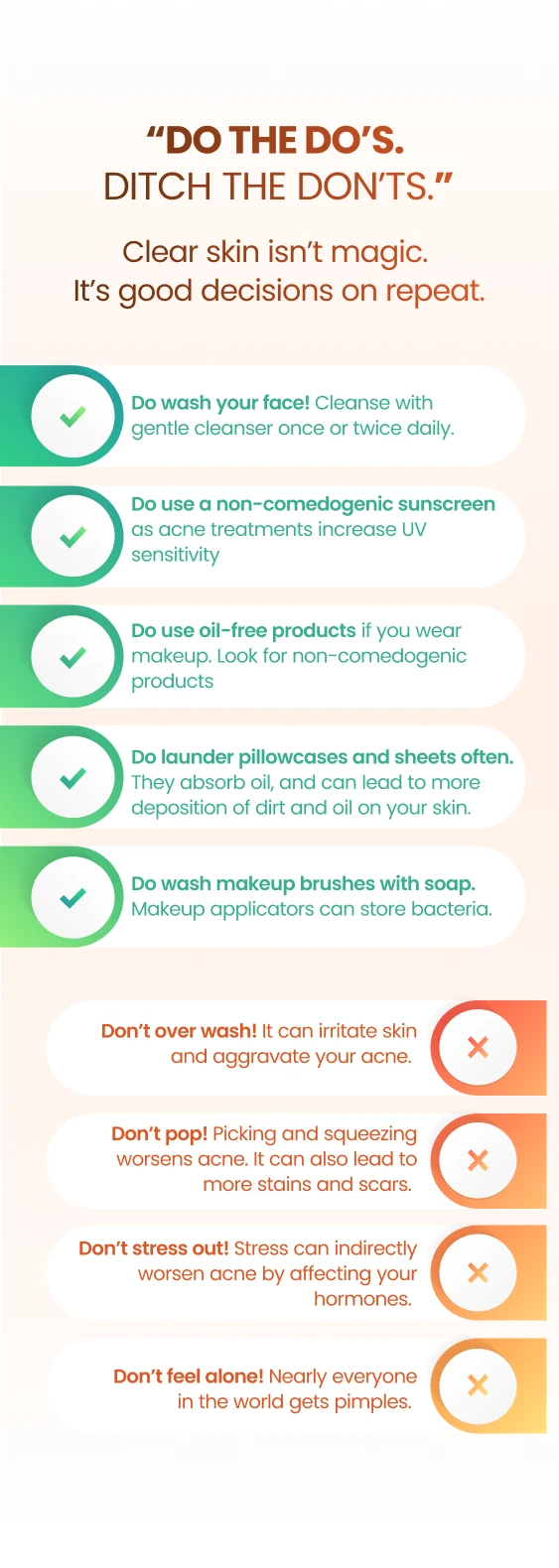
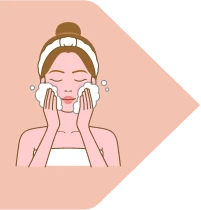
Gently wash your face up to twice daily and after sweating. Choose a gentle, non-abrasive cleanser. Apply it with your fingertips, as scrubbing with washcloths, sponges, and other tools can irritate your skin
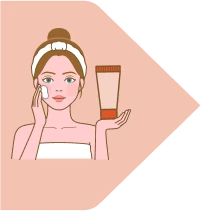
Choose the right skin care
Use gentle skin care products and ones that say “alcohol-free” on the label. Avoid products that can irritate your skin, including astringents, toners, and exfoliants. These products can dry your skin and make acne appear worse
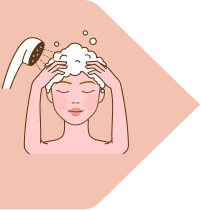
Shampoo regularly
The oil from your hair can cause acne on your forehead. If you have oily hair, shampoo more often than you do now and keep your hair away from your face
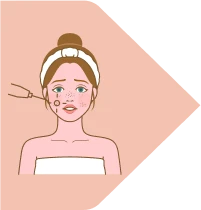
Stick to your treatment
Trying new acne treatments too often can irritate your skin and cause breakouts. Give your treatment time to work. It may take several weeks to few months before you see a difference

Keep your hands off
Touching your face throughout the day can cause acne to flare. While it can be tempting to pick, pop, or squeeze your acne, doing so will make the acne take longer to clear and increase your risk for scarring and dark spots called post-inflammatory hyperpigmentation

Stay out of the sun and tanning beds
Along with increasing your risk for skin cancer, tanning damages your skin and can worsen acne. Some acne medications can also make your skin very sensitive to damaging ultraviolet rays from the sun and tanning beds.